

The veins are a vital part of your body’s circulatory system and help deliver oxygenated blood to your body before returning it to the heart. These structures are often visible in several areas, such as your eyelids, hands, feet, arms, legs, and more, often appearing as green, blue, or purplish lines. While this is completely normal and harmless, some individuals find the appearance of veins in visible areas—like the eyelids—bothersome.
When considering treatments for eyelid veins and visible veins in general, it is important to understand their cause. This page is designed to serve as a guide to help you understand why eyelid veins form, what factors make them more visible, and when they are a sign of something more serious. By learning more about eyelid veins and what influences their appearance, you can make more well-informed decisions about your own treatment.
The Skin & Vein Center is a leading aesthetic practice in both San Diego and Detroit, known for being dedicated to helping each patient achieve their aesthetic goals, no matter how big or small they are. Each of our Board-Certified Dermatologists, experienced Cosmetic Surgeons, and highly-trained staff members is an expert when it comes to dermatology. Whether you are looking to improve the appearance of your skin or eliminate the appearance of your veins, we are prepared to educate you on your options, provide you with resources, and reach your goals.
If you are interested in learning more about the different vein treatments we offer, we encourage you to schedule a consultation online or call the office most convenient to you:
- San Diego: (619) 704-2100
- Fenton, MI: (810) 629-9200
- Sterling Heights, MI: (586) 314-1400
- Livonia, MI: (734) 762-0798
Contents
- 1 About Eyelid Veins
- 2 How Can Eyelid Veins Become Damaged?
- 3 How Aging Can Affect the Appearance of Your Eyelids
- 4 How Sun Exposure Can Affect Your Eyelids
- 5 Genetics and Natural Predisposition
- 6 Lifestyle Factors that Contribute to Eyelid Veins
- 7 When Eyelid Veins Are Signaling An Underlying Issue
- 8 Cost of Vein Treatments in San Diego and Michigan
- 9 FAQ
- 9.1 Is it normal to have veiny eyelids?
- 9.2 Will my eyelid veins become more noticeable over time?
- 9.3 Can sun exposure affect the appearance of eyelid veins?
- 9.4 Is it dangerous to have veiny eyelids?
- 9.5 Can my lifestyle influence the visibility of my eyelid veins?
- 9.6 Can my eyelid veins be covered with makeup?
- 10 References
About Eyelid Veins
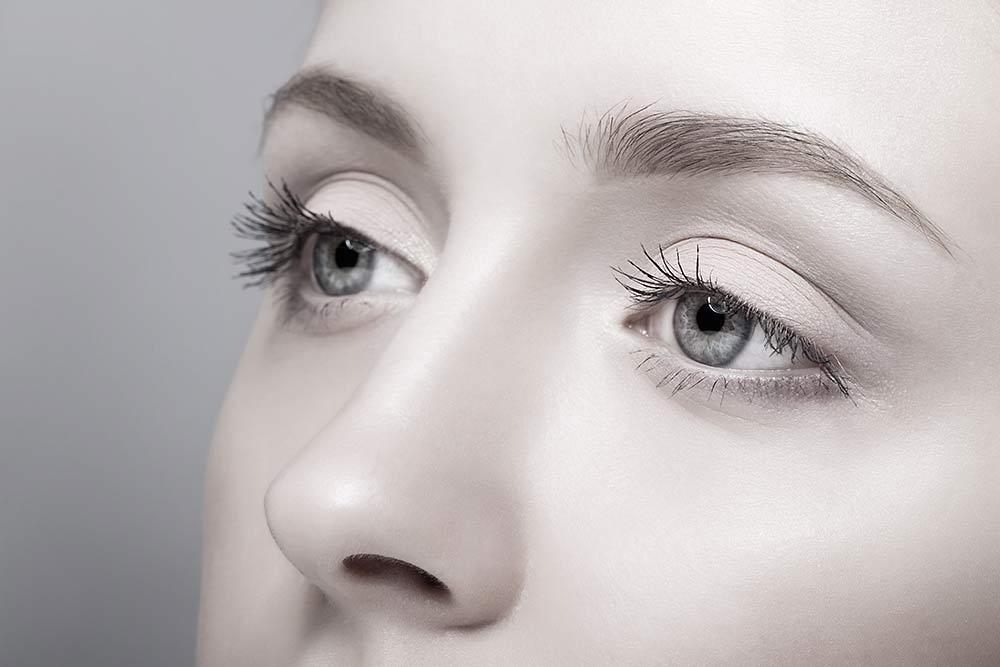
Eyelid veins are responsible for providing oxygenated blood to the cells in your eye area before it is returned to the heart. While visible eyelid veins are typically harmless, their appearance can cause cosmetic concerns or point to more serious underlying medical issues. The eyelid veins often appear more prominent on the eyelids due to the thinness of the skin in this area.
The eyelids are unique in the sense that they have no subcutaneous fat, making them the thinnest layer of skin on the body. (1) This means that even minor changes in your health or blood flow can make smaller blood vessels appear darker and more visible. This can be especially true for those with lighter skin complexions or less fat around their preorbital area.
How Can Eyelid Veins Become Damaged?
Because the skin on the eyelids is thinner, it can be easier to accidentally damage them, leading to the appearance of veiny eyelids. Your eyelids can become damaged in several ways, including pressure, repeated trauma, inflammation, or irritation. Even daily habits, such as frequently rubbing your eyes, wearing heavy eye makeup, and excessive squinting, can damage the eyelid structures and weaken the walls of the existing blood vessels, contributing to the appearance of broken, dilated, or darker veins.
How Aging Can Affect the Appearance of Your Eyelids
Collagen and elastin are two key proteins needed to maintain elastic, firm, and healthy skin. As we age, these proteins are naturally depleted, which can lead to the thinning of the skin and the development of wrinkles, creases, fine lines, and other signs of aging. (2) This thinness also allows veins to show more clearly from beneath.
Additionally, the cardiovascular system undergoes multiple changes with age, even in patients without any cardiovascular diseases. (3) Over time, your veins slowly become more fragile and weaken. This can make it easier for them to dilate and harder for them to return blood to the heart. This can increase the likelihood of darkened veins, especially around delicate areas such as the eyelids.
How Sun Exposure Can Affect Your Eyelids
Chronic UV radiation is known to weaken blood vessel walls and deplete natural collagen levels, resulting in thinner eyelid skin. Because eyelid skin is already the thinnest on the body, additional thinning can make your veins more prominent than before. When your blood vessel walls are weakened, your veins can start to become more fragile and dilated, resulting in a darker appearance. Unprotected or excessive sun exposure can accelerate this process by making eyelid veins more prominent and contributing to the development of premature aging around the eyes. Using liberal amounts of sunscreen, wearing eye protection, and limiting your direct sun exposure can help prevent vein visibility caused by UV exposure.
Genetics and Natural Predisposition
Genetics can play a large role when it comes to the visibility of your eyelid veins. Genetics can determine the thickness of your facial skin, complexion, and the fragility of your veins, which may make them prone to visibility regardless of other factors. If you have noticed that your family members have prominent eyelid veins, you will likely develop them as well.
Lifestyle Factors that Contribute to Eyelid Veins
Your lifestyle habits can influence your health in several different ways, which can include the visibility of your eyelid veins. Habits such as smoking, excessive drinking, poor nutritional health, a lack of sleep, and stress can all weaken both your skin’s health and blood vessels. Additionally, repeated eye strain from phone or computer use, as well as high blood pressure, can make your veins appear darker and more prominent.
To combat these effects, it is strongly recommended to maintain healthy lifestyle habits. This can include maintaining a nutritious and balanced diet, engaging in regular exercise, getting plenty of sleep each night, and staying hydrated. Oftentimes, taking care of your well-being can improve your health and appearance more than you realize, making it important to adopt these practices into your regular routine.
When Eyelid Veins Are Signaling An Underlying Issue
While the appearance of eyelid veins is normal, sometimes they can indicate a more serious, underlying complication. If you have noticed any sudden changes in your health or the appearance of unusual patterns or symptoms, such as pain, swelling, vision changes, or even new vein patterns, you must seek out medical assistance. These symptoms may signal the development of conditions like venous insufficiency, blood clots, or vascular malformations, which can lead to more serious damage if left untreated.
Cost of Vein Treatments in San Diego and Michigan
The cost of your vein treatment can vary depending on whether you are treating spider veins or varicose veins, the type of treatment being performed, the extent of correction, as well as a handful of other factors. During your consultation, a member of our team will go over your concerns and goals with you to establish your treatment plan. Once these details have been set and agreed upon, they will provide you with a cost estimate.
The Skin & Vein Center is additionally partnered with CareCredit to offer financing options for those interested. If you have any questions or are unsure if financing is right for you, our patient coordinators are more than willing to help.
To learn more about the cost of our vein treatment, please schedule a consultation online or call the office most convenient for you:
- San Diego: (619) 704-2100
- Fenton, MI: (810) 629-9200
- Sterling Heights, MI: (586) 314-1400
- Livonia, MI: (734) 762-0798
FAQ
Is it normal to have veiny eyelids?
Yes, in most cases, veiny eyelids are normal and often related to thin eyelid skin, the aging process, genetics, or lifestyle habits. Because the eyelid skin is the thinnest on the body, veins are naturally more visible.
Will my eyelid veins become more noticeable over time?
As you age, the skin continues to lose collagen and elastin, which can make the eyelid skin even thinner. This allows the underlying veins to show more clearly.
Can sun exposure affect the appearance of eyelid veins?
UV damage can break down collagen and elastin in the skin, making it thinner and sometimes even dilating blood vessels. These effects can make eyelid veins more visible.
Is it dangerous to have veiny eyelids?
In most cases, it is not dangerous to have veiny eyelids, as it is typically a cosmetic concern rather than a medical one. However, if you notice a sudden appearance of veins paired with swelling, pain, or vision changes, you should seek medical attention from a doctor.
Can my lifestyle influence the visibility of my eyelid veins?
Yes, your lifestyle can greatly affect your appearance in multiple ways. Smoking, dehydration, poor sleep, and even the consumption of alcohol can emphasize the appearance of veins. Even temporary changes in blood flow, like after crying or working out, can make your eyelid veins appear darker.
Can my eyelid veins be covered with makeup?
Yes, many patients use color-correcting makeup or concealers to help hide any visible veins that may affect their aesthetic image.
References
- Cochran ML, Lopez MJ, Czyz CN. Anatomy, Head and Neck, Eyelid. PubMed. Published 2020. https://www.ncbi.nlm.nih.gov/books/NBK482304/
- Damasceno RW, Avgitidou G, Belfort Jr. R, Dantas PEC, Holbach LM, Heindl LM. Eyelid aging: pathophysiology and clinical management. Arquivos Brasileiros de Oftalmologia. 2015;78(5). doi:https://doi.org/10.5935/0004-2749.20150087
- Fleg JL, Strait J. Age-associated changes in cardiovascular structure and function: a fertile milieu for future disease. Heart Failure Reviews. 2011;17(4-5):545-554. doi:https://doi.org/10.1007/s10741-011-9270-2