

Eczema Treatment
Conveniently located to serve the areas of Fenton, Sterling, Livonia, MI and San Diego, CA
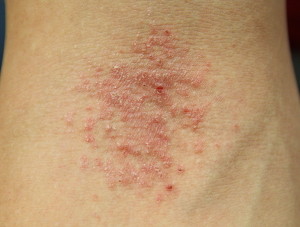
Eczema is a common skin condition that manifests in red, itchy patches. (1) It can affect people of all ages and can appear in several different forms, each capable of creating daily discomfort and cosmetic concerns. Although dermatologists do not consider eczema to be dangerous, the condition can be frustrating, especially when symptoms flare unexpectedly or become more irritating. Itching, redness, burning, and irritated skin can disrupt daily life, making it difficult to enjoy activities, sleep comfortably, or focus without distraction. Fortunately, modern dermatology offers several evidence-based treatments that can help calm symptoms and restore comfort.
The dermatologists at Skin & Vein Center provide compassionate and comprehensive care for patients who struggle with eczema. Our specialists stay up to date with advanced options such as topical medications, oral therapies, and phototherapy, ensuring patients receive targeted, effective treatments in a safe and trusted medical environment.
To learn more, schedule a personal consultation with the Skin & Vein Center staff by contacting us online or by calling any of our locations directly:
- Fenton, MI: (810) 629-9200
- Sterling Heights, MI: (586) 314-1400
- Livonia, MI: (734) 762-0798
- San Diego, CA (Skin & Vein Center West): (619) 704-2100
Contents
About Eczema
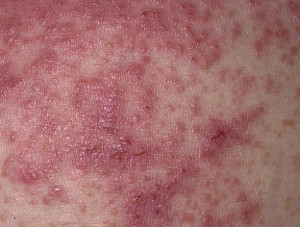
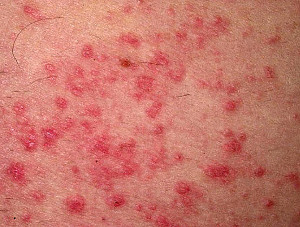
Eczema is a broad term for several inflammatory skin conditions that are characterized by itchiness, irritation, and recurring flare-ups. (1) Although eczema can look different for each patient, many notice dryness, redness, inflamed patches, and scaling. Eczema is not contagious—it usually results from genetics, a sensitive immune system, and environmental triggers.
Different Types of Eczema
Different forms of the condition present different patterns and triggers; accurate identification allows your dermatologist to take the appropriate treatment measures. At Skin & Vein Center, you will undergo an in-depth evaluation that includes a review of symptoms, health history, lifestyle exposures, and any previous treatments you may have tried. This process allows our team to develop a fully customized treatment plan for your skin and overall goals.
- Atopic dermatitis: Atopic dermatitis is the most common form and often appears in childhood. Many patients continue to experience symptoms throughout adulthood, especially during seasonal changes, stressful periods, or exposure to environmental triggers. It can appear on the neck, hands, eyelids, behind the knees, along the elbows, and in other areas where the skin flexes or chafes. (1)
- Contact Dermatitis: Contact dermatitis develops when the skin touches an irritating substance or allergen. (2) This type of eczema commonly results from exposure to cleaning products, fragrances, jewelry containing nickel, certain cosmetics, topical medications, or poison ivy. Symptoms usually include stinging, burning, itching, and the appearance of visible blisters in more severe cases.
- Seborrheic dermatitis: Seborrheic dermatitis is another form of eczema that typically affects the scalp, face, and chest. (3) This condition creates red patches covered with greasy-looking, yellowish scales. Symptoms often worsen during cold weather and may improve during warmer seasons. Although the exact cause is unknown, dermatologists believe that overactive oil glands and yeast activity on the skin play a role.
About Eczema Treatments
Eczema is a chronic condition, but modern treatments can significantly reduce symptoms, calm flare-ups, and help restore healthier, more comfortable skin.
Medications
Many patients start with topical treatments because they provide targeted relief to inflamed areas. These include prescription-strength corticosteroids that calm swelling, reduce redness, and help relieve itching. (4) For mild to moderate eczema, we usually instruct patients to apply these creams for short periods to control symptoms quickly.
Some patients may also benefit from non-steroidal topical medications that help regulate the immune system. These treatments are helpful for sensitive areas such as the face, where strong corticosteroids may not be appropriate.
In more persistent or severe cases, we may recommend oral medications to reduce inflammation or stabilize immune activity. Patients can take oral medications for short intervals during severe flare-ups or as part of a longer strategy when topical treatments do not provide adequate relief.
Phototherapy
Phototherapy is a trusted and effective eczema treatment that uses controlled UV light exposure to reduce inflammation and rebalance immune responses. (5) Skin & Vein Center offers medical-grade phototherapy for patients who do not respond sufficiently to topical or oral treatments. We administer phototherapy in a safe, supervised environment using specialized equipment that exposes the skin to carefully measured UV wavelengths.
There are different forms of phototherapy available depending on your condition. Eczema treatments commonly feature UVB phototherapy, which works by slowing abnormal immune reactions in the skin. PUVA therapy combines UVA light with a prescription medication that increases the skin’s sensitivity to treatment. (6)
Personal Consultation
A comprehensive consultation at Skin & Vein Center sets the foundation for successful eczema treatment. During this appointment, your dermatologist will examine affected areas, discuss symptoms, review any previous treatments, and identify potential triggers such as allergens, lifestyle factors, or environmental exposures. The goal is to understand how your skin is reacting and identify the triggers behind your flare-ups, so your dermatologist can tailor the treatment to your needs.
Once your dermatologist has collected all the necessary information, they will create a customized treatment plan that may include medications, phototherapy, lifestyle adjustments, or a combination of approaches. Your plan will aim to both relieve current symptoms and provide long-term strategies.
To schedule your personal consultation, contact Skin & Vein Center online or call any of our locations directly:
- Fenton, MI: (810) 629-9200
- Sterling Heights, MI: (586) 314-1400
- Livonia, MI: (734) 762-0798
- San Diego, CA: (619) 704-2100
Preparation
Preparation instructions for eczema treatment will differ depending on your recommended therapies. Your dermatologist may ask you to keep your skin moisturized, avoid irritating skincare products, compile a list of allergens or known triggers, and monitor your symptoms leading up to your appointment. Following these recommendations helps ensure that your therapy is effective.
Results
Eczema treatment results vary depending on the severity of symptoms and the type of therapy we administer. Many patients experience noticeable improvements within days or weeks, including reduced itching, fewer flare-ups, and calmer, more hydrated skin. Long-term management can help maintain these improvements and reduce the likelihood of repeated irritation. Although there is no permanent cure for eczema, consistent, personalized care can control it effectively.
Corresponding Procedures
Skin & Vein Center offers a wide range of dermatology, vein, and cosmetic treatments that complement eczema care. Additional services may address concerns such as complexion irregularities, skin growths, sun damage, scars, or vein issues. These options allow patients to receive comprehensive skin and body care at the same trusted practice, ensuring continuity and convenience.
Cost of Eczema Treatment in Michigan and San Diego
The total cost of your eczema treatment will depend on the severity of your condition, the methods we select for your treatment, your goals, and several other factors. When you meet with one of our dermatologists, they will evaluate your eczema and then provide a cost estimate for your treatment.
Schedule your consultation today to start treating your eczema. If you have any questions or prefer to schedule over the phone, please call any of the Skin &Vein Center offices in Michigan or San Diego:
- Fenton, MI: (810) 629-9200
- Sterling Heights, MI: (586) 314-1400
- Livonia, MI: (734) 762-0798
- San Diego, CA: (619) 704-2100
FAQ
Is eczema contagious?
Eczema is not contagious. A combination of genetics, immune reactions, and environmental triggers causes flare-ups.
Can eczema be permanently cured?
Eczema is a chronic condition. Symptoms can improve significantly with treatment, but flare-ups may occur throughout life. Consistent care and patient education can help maintain long-term control.
What makes eczema symptoms worse?
Common triggers include cold, dry air, stress, allergens, fragrances, harsh soaps, and irritating fabrics.
How long does it take for eczema treatment to work?
Treatment timelines differ, but many patients notice improvement within a few weeks of consistent care.
Can diet affect eczema?
Some patients notice flare-ups linked to certain foods, such as dairy, eggs, or nuts. Keeping an allergy food diary and discussing it with your dermatologist can help identify triggers.
Is it safe to use over-the-counter creams for eczema?
Mild moisturizing creams are generally safe, but stronger corticosteroid or medicated creams should be used under a dermatologist’s guidance to avoid side effects. In any case, it can be beneficial to seek professional guidance if you would like more personalized solutions. Can stress really make eczema worse? In some cases, yes. Stress can trigger or worsen flare-ups by affecting the immune system and skin barrier, so managing stress can be an important part of treatment.
References
- Nemeth V, Evans J. Eczema. PubMed. Published 2022. https://www.ncbi.nlm.nih.gov/books/NBK538209/
- Tucker D, Masood S. Seborrheic Dermatitis. PubMed. Published 2024. https://www.ncbi.nlm.nih.gov/books/NBK551707/
- Litchman G, Nair PA, Atwater AR, Gossman WG. Contact dermatitis. PubMed. Published 2023. https://www.ncbi.nlm.nih.gov/books/NBK459230/
- Gabros S, Zito PM. Topical Corticosteroids. PubMed. Published July 10, 2023. https://www.ncbi.nlm.nih.gov/books/NBK532940/
- Molla A. A Comprehensive Review of Phototherapy in Atopic Dermatitis: Mechanisms, Modalities, and Clinical Efficacy. Curēus. 2024;16(3). doi:https://doi.org/10.7759/cureus.56890
- Rathod DG, Muneer H, Masood S. Phototherapy. PubMed. Published 2021. https://www.ncbi.nlm.nih.gov/books/NBK563140/