
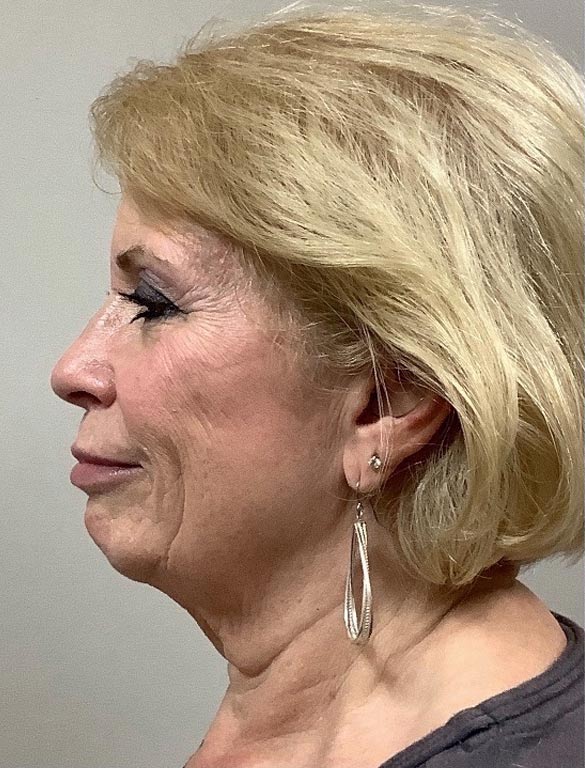
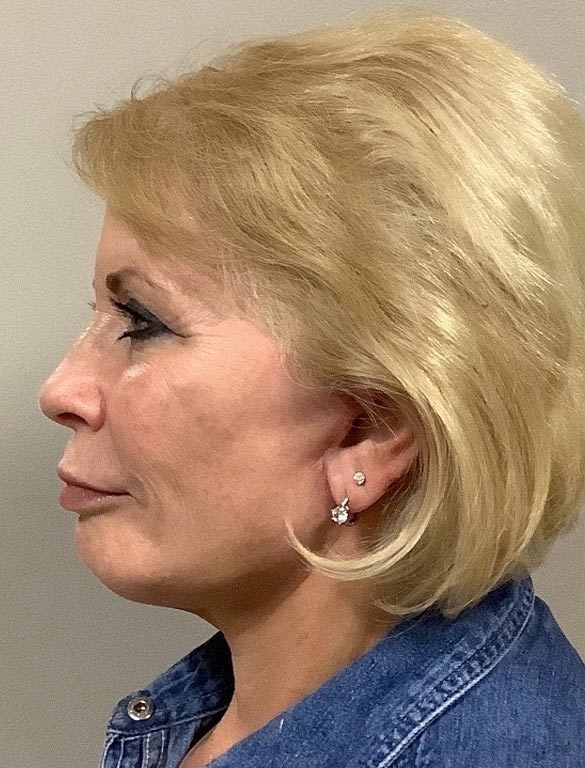


That swelling you may be experiencing could be more serious than you think — It could be an early symptom of lymphedema, a condition that can, if left untreated become a serious medical complication.
What is Lymphedema?
Lymphedema is caused by an accumulation of fluids in the lymph vessels. The condition happens when the lymph vessel cannot drain the fluid properly. Lymphedema can occur in various areas of the body including the legs, arms, neck, face, or trunk.
The causes of this build up can include:
- -Surgery
- -Cancer
- -Infection
- -Radiation Therapy
There are two basic types of lymphedema:
Primary — This can occur at birth or later in life without any apparent cause. Interestingly, this can happen more often in women than in men.
Secondary — Can occur after cancer surgery or therapy, either immediately even years later
What Are the Symptoms or Signs of Lymphedema?
The signs of lymphedema can include:
- -Unidentified swelling
- -Feeling of heaviness
- -A decrease in limb strength
- -Restricted or reduce movement in a limb
- -Warmth and redness
- -Hardening of the skin
- -Socks, rings, or watches leaving impressions or that may fit tighter than normal
Because lymphedema can cause serious issues, it is important to consult a physician if you are concerned about any of the symptoms or you feel you may be at risk. The doctor will be able to assess your symptoms and identify the cause for any of the symptoms.
In addition, your medical professional can provide you with therapies that can help reduce the symptoms. These therapies can include:
- -Specific exercises to reduce the risks and complications
- -Lymphedema-specific massage treatments that can help movement and drainage of the fluids.
- -Pneumatic compression, a procedure that has the patient wearing a sleeve over the limb. The sleeve is then inflated to place pressure on the limb to help move the fluids away from the area.
During your treatment process, the doctor will continually monitor your progress and the effectiveness of the treatments. This monitoring will ensure that the lymphedema continues to reduce.
If you are at all concerned that you may be experiencing lymphedema — especially if you recently underwent cancer treatment — it is essential that you contact a medical professional. The doctors and the Skin and Vein Center understand your concerns, and have the knowledge and expertise to help you. Call today for a thorough consultation to help you regain your health!
About Dr. Eric Seiger
Board-Certified Dermatologist · The Skin & Vein Center
- Board certification
- American Osteopathic Board of Dermatology
- Education and training
- University of Delaware, Sept 1977 – May 1981, BA- Biology
- University of Medicine and Dentistry, New Jersey School of Osteopathic Medicine, Sept 1982 Graduated May 21, 1986
- Internship: Pontiac Osteopathic Hospital, July 1, 1986 to June 31, 1987
- Residency: Pontiac Osteopathic Hospital, August 1,1987 to August 1, 1990
- Medical degree, University of Medicine and Dentistry, New Jersey School of Osteopathic Medicine (graduated May 21, 1986)
- Hospital affiliations
- McLaren Oakland Hospital, Pontiac, MI, August 3, 1990 – Present
- St. Joseph Mercy Hospital, Pontiac, MI, December 21, 1993 – Present, Beaumont, Farmington Hills, MI, April 1, 2019 - Present
- Genesys Regional Medical, Grand Blanc, MI, May 1, 1991 – October 5, 2000
- Memberships
- American Osteopathic College Of Dermatology
- American Academy of Dermatology
- Michigan Association of Osteopathic Physicians
- American College of Phlebology
- International Society of Dermatology
- International Society of Hair Restoration Surgery
- American Osteopathic Association
- American Academy of Cosmetic Surgery
- American Society of Hair Transplantation
- Awards
- National Certified Physician Trainer, designated by the makers of Botox and Restylane
- NPI
- 1912904772
- Offices
- Fenton · La Jolla · Sterling Heights · Livonia